H+R SOCOTEC UK Building Pathology and Heritage
H+R are part of SOCOTEC UK, the market leader in testing, inspection and certification (TIC) in the construction and infrastructure sectors. SOCOTEC are the sole UK company offering end-to-end solutions for all building types, including commercial, residential, industrial, and listed buildings alongside the whole asset lifecycle.
Our Services
We are independent building professionals with an emphasis on solving complex challenges. Our expertise lies in Building Pathology, and we specialise in investigating issues related to buildings, materials, and occupancy. Whether you’re a property owner, developer, insurer, or architect, we’re here to support you.
We aim to provide the best-coordinated information and holistic advice on building-related problems. We help clients access the most cost-effective services and advice from other specialists in the field, such as academics and specialist reference laboratories. Whether you need to identify the cause of a building-related problem, find a solution, or prevent future issues, we can provide you with the most relevant and reliable information and guidance.
Who We Are
Founded in 1966, H+R are the market leader in Building Pathology, listed building surveys and damp and decay, with particular expertise in Architectural Conservation. Our team members come from a variety of disciplines and have a wide range of skill sets that include special interests in traditional materials, timber identification and strength grading, damp management, heritage and listed property, fungus and insect classification and conservation methods and material science, to name a few.
Featured Case Studies
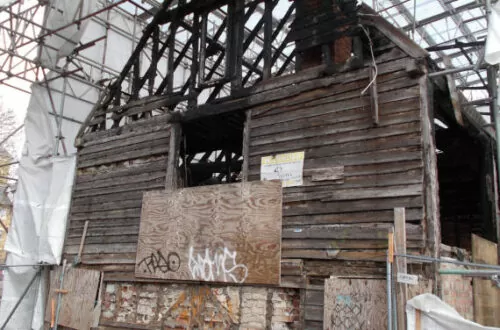
Fire Damage Timber Survey on Colchester Granary
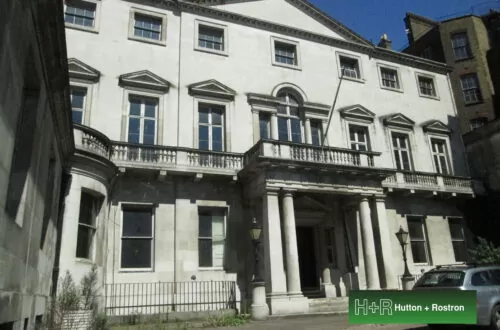
Condition Survey on the In and Out Club, 94 Piccadilly
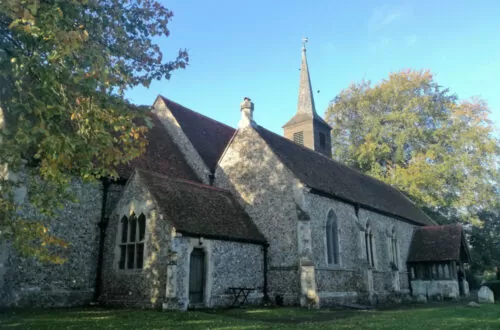
Timber Decay Investigation at St Michael & All Angels Church, Essex
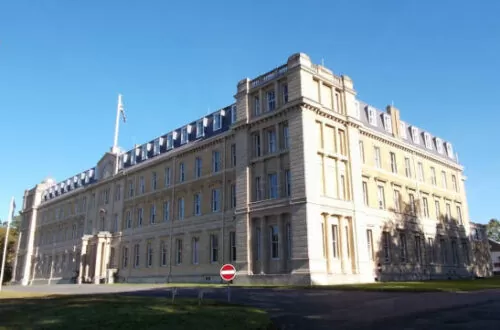
Dry Rot Infection and Decay to a Building in Sandhurst, Surrey
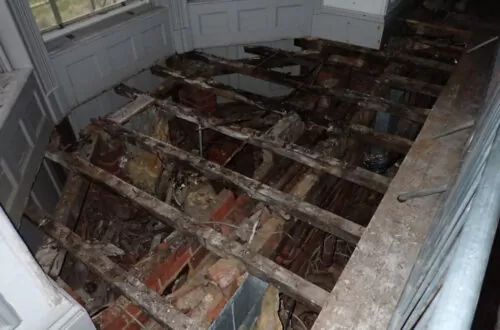
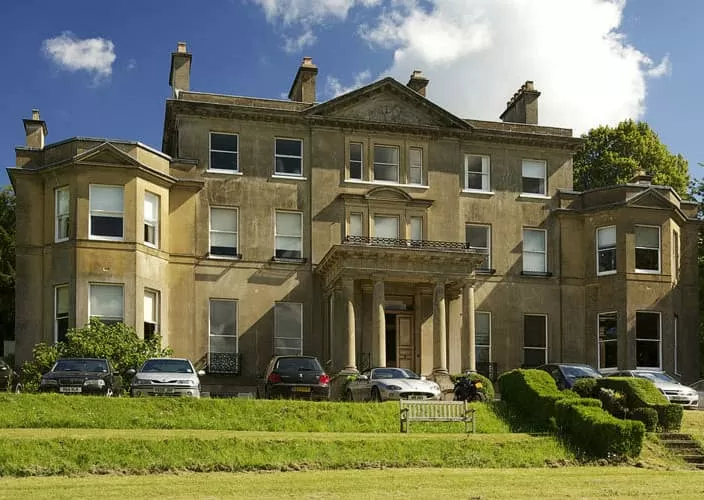
Scarcroft – Historic Mansion Refurbishment
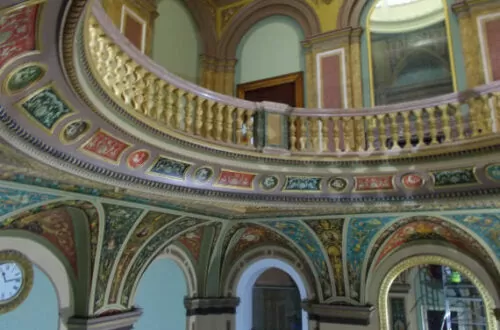
Decorative Interiors Investigation, Central London
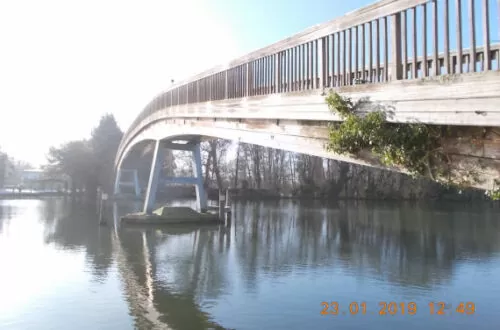
Structural Investigation on Temple Footpath Bridge

We Work With a Varied Client Base
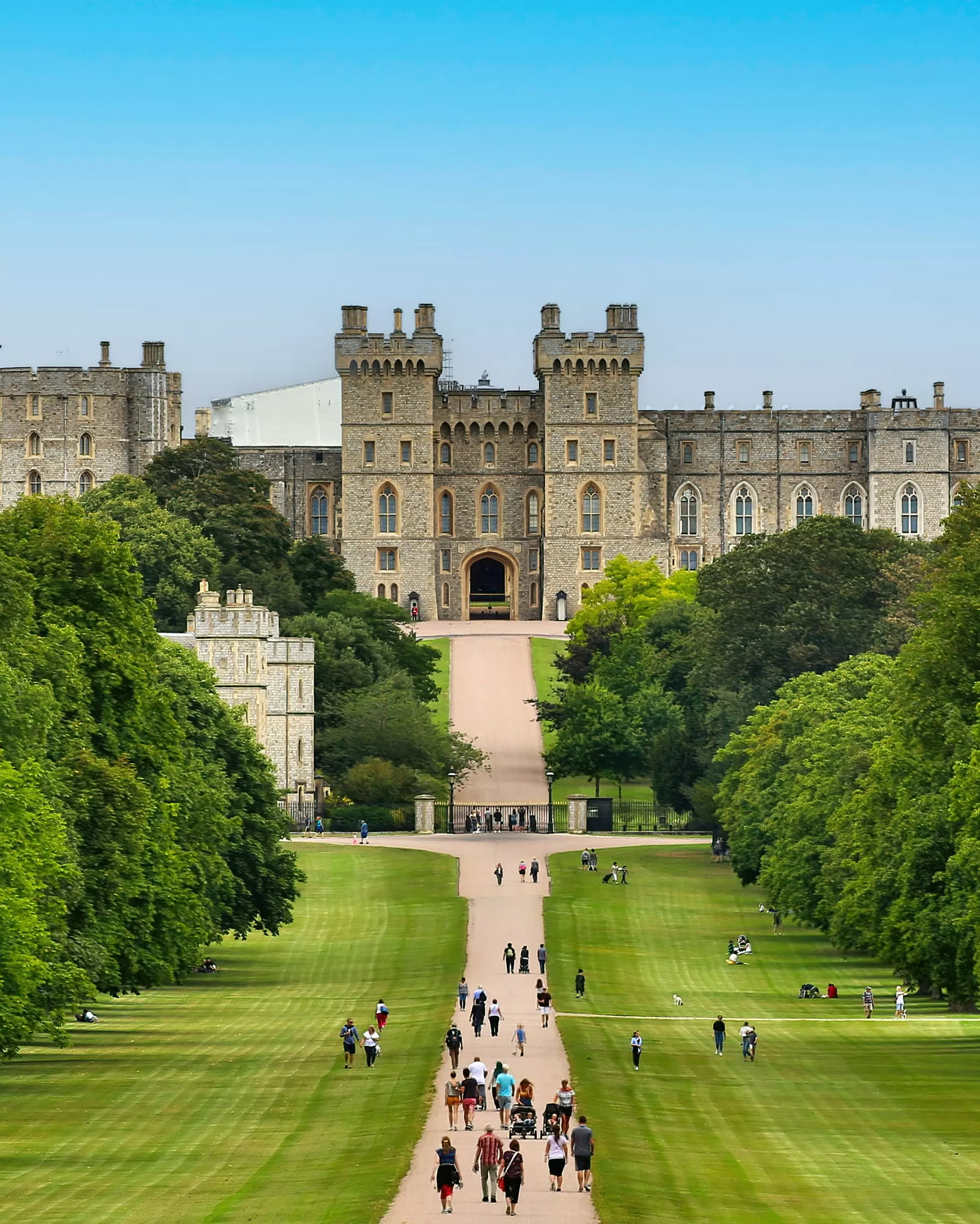
We have worked on a diverse range of properties across the country, including national landmark buildings such as the Tower of London, Windsor Castle and Brighton Pavilion, as well as churches and stately homes, terraced houses and barns, ancient monuments and standing ruins.
Among our varied client base are a large number of heritage organisations including The National Trust, English Heritage, Cadw, Historic Environment Scotland, as well as The Royal Household, Crown Estate, Church Commissioners, Natural England and central and local government bodies.
Testimonials
I have known and seen work undertaken by Hutton+Rostron for over 20 years. I have always been impressed by their professional approach and depth of knowledge in the field of building surveys and pathology.
When it comes to seeking expert advice on the condition of the timber in an old building we turn to Hutton+Rostron whom we know we can rely upon to give a thorough and efficient appraisal which we can then use to develop the scope of the repairs.
We have worked with Hutton + Rostron over many years now, and find them knowledgeable, professional, helpful and practical. They understand both the needs of historic buildings and the forces driving their alteration, which means that their expert advice is always framed in a suitable way. We greatly enjoy our relationship with them, and look forward to many more years of collaboration.
H+R have provided a great service; I’m particularly happy with the high level of technical knowledge of their staff and willingness to take time to explain what they are doing and why. I thoroughly recommend them.
Squire and Partners have worked closely with Hutton + Rostron on a number of projects, including the UNISON Headquarters and 74 St James’s Street.
We have been impressed by their depth of knowledge of historic buildings and look forward to working with them again in the future.
Having worked as Project Manager on a number of high-value, listed houses, there is in my opinion clear benefit and value to a project in having H+R on board at the earliest stage possible.
Understanding the hidden condition of a historic building is crucial in making accurate budget and programme estimations. Hutton + Rostron provide an unrivalled service in this sector allowing us to make informed decisions and mitigate the risks of historic building fabric before they materialise. Hutton + Rostron have provided input on a number of Walton Wanger projects, providing us with a range of environmental investigations, which have enabled the design process and contract negotiations to be more accurate and more robust.
Hutton + Rostron and Sandberg have enjoyed a long standing and valued professional relationship and expect this to continue and develop in the future. Our work together ranges from the routine to the quirky, with the latter often being the most fascinating and therefore enjoyable!
Now that we have reached the end of the works at Great Portland Street, I would like to thank you and your team for all your efforts. The reports on existing condition provided by the team at Hutton + Rostron were invaluable and helped us de-risk the project for GPE. Equally your assistance throughout the project where unforeseen issues arose was gratefully received.
A full service through pre-construction, construction and early occupation.
Get in Touch
Main Office
Netley House, Gomshall
Guildford, Surrey
GU5 9QA
Nottingham Office
Northgate Business Centre
38–40 Northgate
Newark, Nottinghamshire
NG24 1EZ
Oxford Office
Horton cum Studley
Oxfordshire
OX33 1BET
Manchester Office
The Manor House
Market Place
Mottram-in-Longdendale, Hyde
SK14 6JD
For marketing enquiries please contact, handrmarketing@socotec.co.uk.